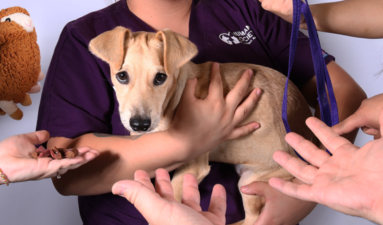
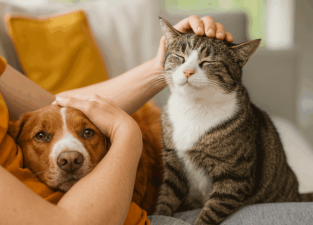
Each pet has a unique personality. Some dogs are naturally lively and always full of energy; some cats like to stay quietly by the window and observe the world. Even pets of the same breed and litter may have completely different behaviors and personalities. In fact, the personality of pets not only affects the way they get along with people, but also reflects their growth experience, living environment, health status and inner security. For owners, understanding their pets' personalities is not only to get along better with them, but also to help them discover their needs and emotional changes in a timely manner.
With the development of animal behavior, more and more studies have shown that a pet’s personality is affected by genetics, socialization training, daily environment and the owner’s interaction style. Some seemingly ordinary behaviors, such as being clingy, preferring to be alone, timid, curious, or exploring, may hide different personality traits. Learning to observe these behaviors can not only help owners establish a more tacit human-pet relationship, but also provide pets with a lifestyle that is more suitable for them.
Lively and active: full of curiosity and desire to explore
Pets that like to run, play, and explore new environments usually have high curiosity and learning abilities.
Such pets often like to try new toys, new routes and new interactive games. They are more receptive to unfamiliar environments and are easier to train.
For active pets, owners should provide them with sufficient exercise time and abundant toys to help them release their energy and avoid breaking down the house or causing destructive behavior due to boredom.
Likes to be clingy: it means it trusts you very much
Some pets always like to follow their owners, whether in the kitchen, living room or bedroom, and want to be by their side.
This behavior usually indicates that the pet has established a high sense of trust and regards the owner as its most important support.
However, if your pet becomes very anxious once away from its owner, keeps yelling, or destroys furniture, it may have separation anxiety and it may need to be gradually trained to adapt to being alone for short periods of time.
Quiet and independent: it doesn’t mean you don’t like your master
Some pets prefer to rest alone and will only approach when they want to interact.
Many cats, in particular, will retain a certain degree of independence. This does not mean that they are cold, but that they are more reserved in the way they express their feelings.
For such pets, their rhythm of life should be respected, do not force interaction, and allow them to have their own safe space.
Timid and cautious: need more security
Hiding when encountering strangers, being afraid of noises, and being afraid to explore new environments are symptoms that many pets will have.
This personality may be related to natural temperament, or it may be affected by growth experience or lack of socialization training.
Owners can help pets adapt to the new environment in a step-by-step manner, give more encouragement and rewards, and avoid increasing pressure by blaming or forcing.
Sociable: usually adaptable
Some pets are very excited when they see strangers and other pets and like to say hello and play.
This type of pet usually has better socialization skills and can adapt to new family members or living environment more easily.
However, owners still need to pay attention to controlling the interaction method to avoid excessive excitement that affects safety.
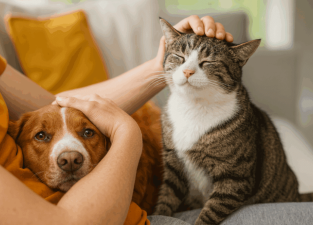
Stubborn and opinionated: needs patient guidance
Some pets have a strong sense of autonomy and are unwilling to obey instructions easily.
This situation does not necessarily mean that they are "disobedient", many times it is simply that they like to move at their own pace.
Instead of using punishment, owners can help their pets gradually understand behavioral norms through positive rewards, repeated training, and establishing rules.
Does personality change as you grow up?
The answer is yes.
Young pets are usually more lively and curious, while as they age they may gradually become calmer. Moving, changes in family members, health problems and even changes in the owner's time together can also affect a pet's personality.
Therefore, owners need to continuously observe changes in their pet's behavior. If your originally cheerful pet suddenly becomes silent, hides, or refuses to interact, you should promptly check whether there is physical discomfort or psychological stress.
How to help pets develop a positive and healthy personality?
Although a pet's personality is affected by genetic factors, the acquired environment is also very important.
Owners can help their pets establish good behavioral habits in the following ways:
- Provide a stable and safe living environment.
- Maintain regular companionship and interaction every day.
- Give appropriate exercise and mental games.
- Use encouragement and rewards to train.
- Respect your pet’s personality and don’t force them to do things they don’t like.
- Conduct regular health check-ups to detect physical problems in time.
A good living environment can not only improve your pet's happiness, but also help cultivate a more confident and stable personality.
Conclusion
There is no absolute good or bad personality in pets. Each personality has its own characteristics and charm. Lively, quiet, clingy, independent, cautious or bold are just different ways they express their emotions and adapt to their environment. As an owner, what is really important is to learn to observe, understand and respect their personalities, and provide appropriate care according to different personalities. When pets feel enough security, care and companionship, they will also respond to their owners with trust, happiness and loyalty, and jointly build a warmer and more harmonious human-pet relationship.